
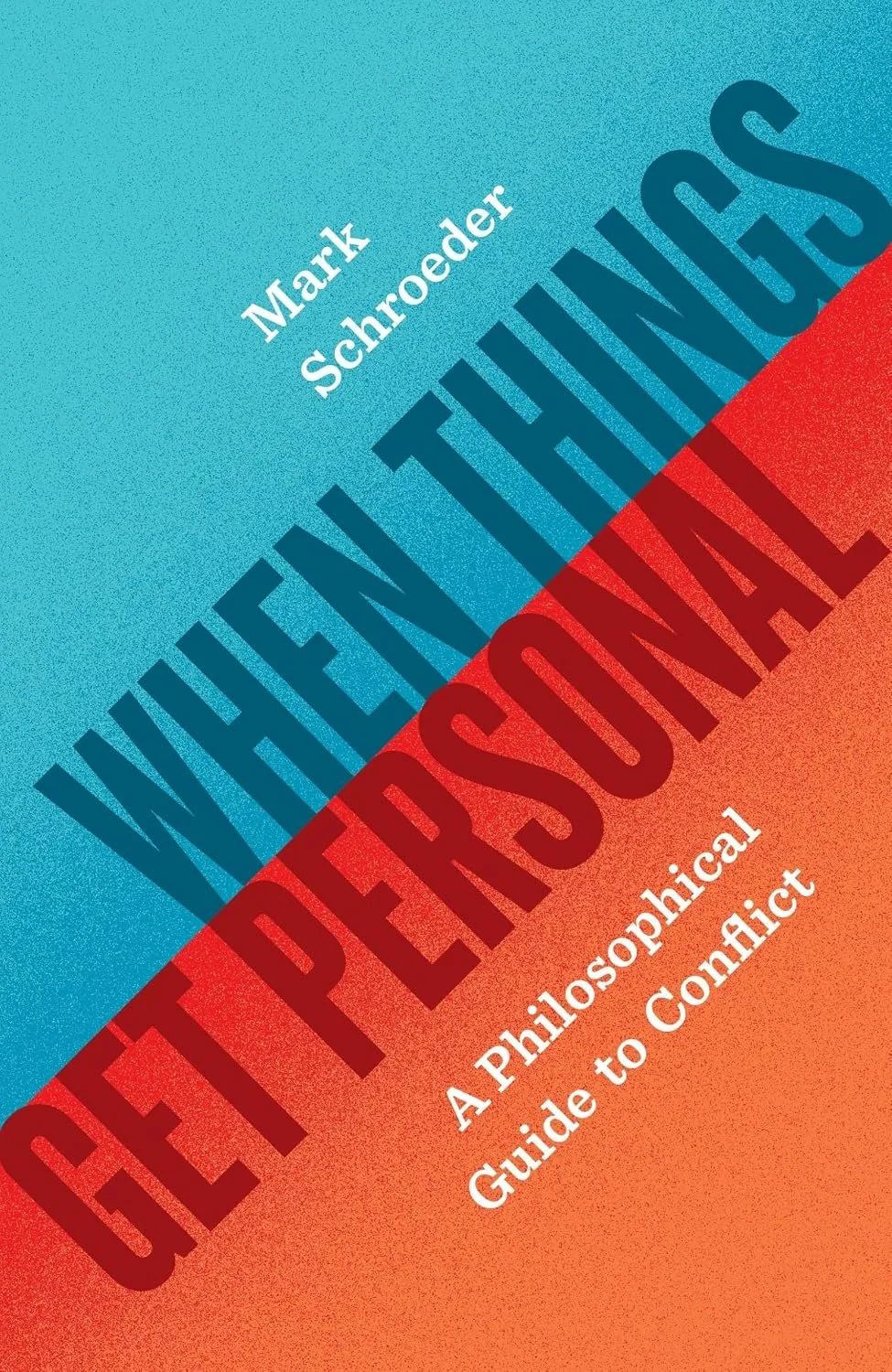
The author is in conversation with fellow USC professor Robin Jeshion

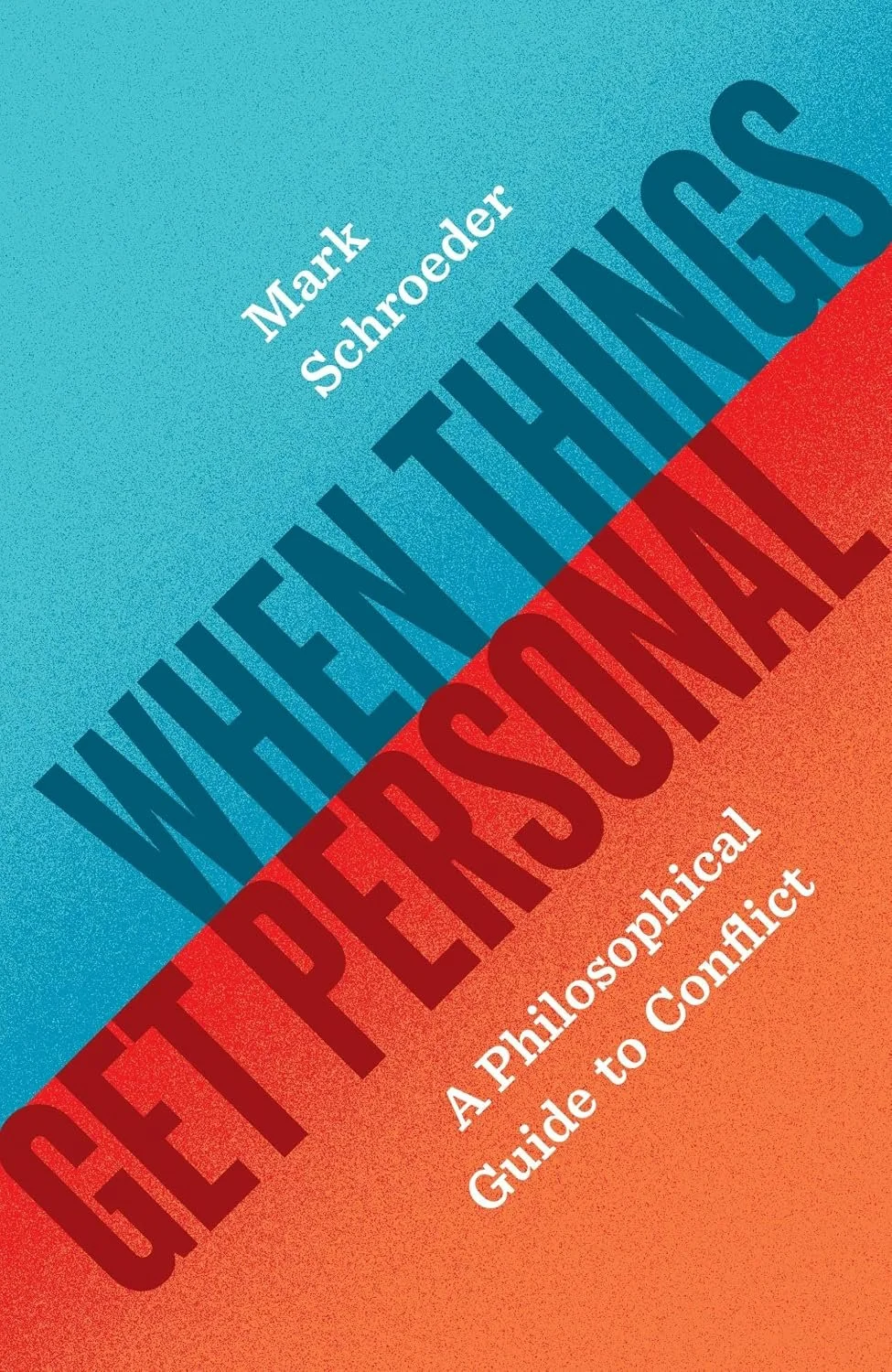
“…a fascinating take on one of the most important and thorniest of philosophical questions: how do we navigate our identity as both person and thing in interpersonal relationships? —C. Thi Nguyen, author, The Score: How to Stop Playing Somebody Else’s Game
We’re all imperfect. Good relationships require seeing each other through these imperfections—distinguishing what is signal, and what is noise. But sometimes we mistake noise for signal—or worse, signal for noise. And even when we get things right, the other person can be getting them wrong.
In When Things Get Personal, Mark Schroeder shows that the better we can learn to tell the difference between signal and noise in our relationships, the better we can predict and avoid everyday misunderstandings that, if left unchecked, can lead to “discord”—fundamental, sometimes chronic failures to see eye to eye that lead us to take things personally that we shouldn’t, to treat others in ways that they take personally, to abandon relationships that are worthwhile, and to stay in relationships that we’d be better off without.
Mark Schroeder is professor of philosophy at the University of Southern California (USC), where he is founding director of the Conceptual Foundations of Conflict Project. His research interests have included topics in epistemology, metaphysics, ethics, the philosophy of language, and the history of ethics. His current work largely concerns what it is to be a person, and how our answer to that question can help us understand and navigate interpersonal relationships and interpersonal conflict, as well as the applications of these ideas to other topics in philosophy.
Schroeder’s other books include Reasons First, Being For, and Slaves of the Passions.

Robin Jeshion is a professor at USC and a fellow at the Conceptual Foundations of Conflict Project. She does research on philosophy of language and social philosophy, and is writing a book on slurs. She is also currently working on the philosophy of love and its relationship to sexuality.
See less